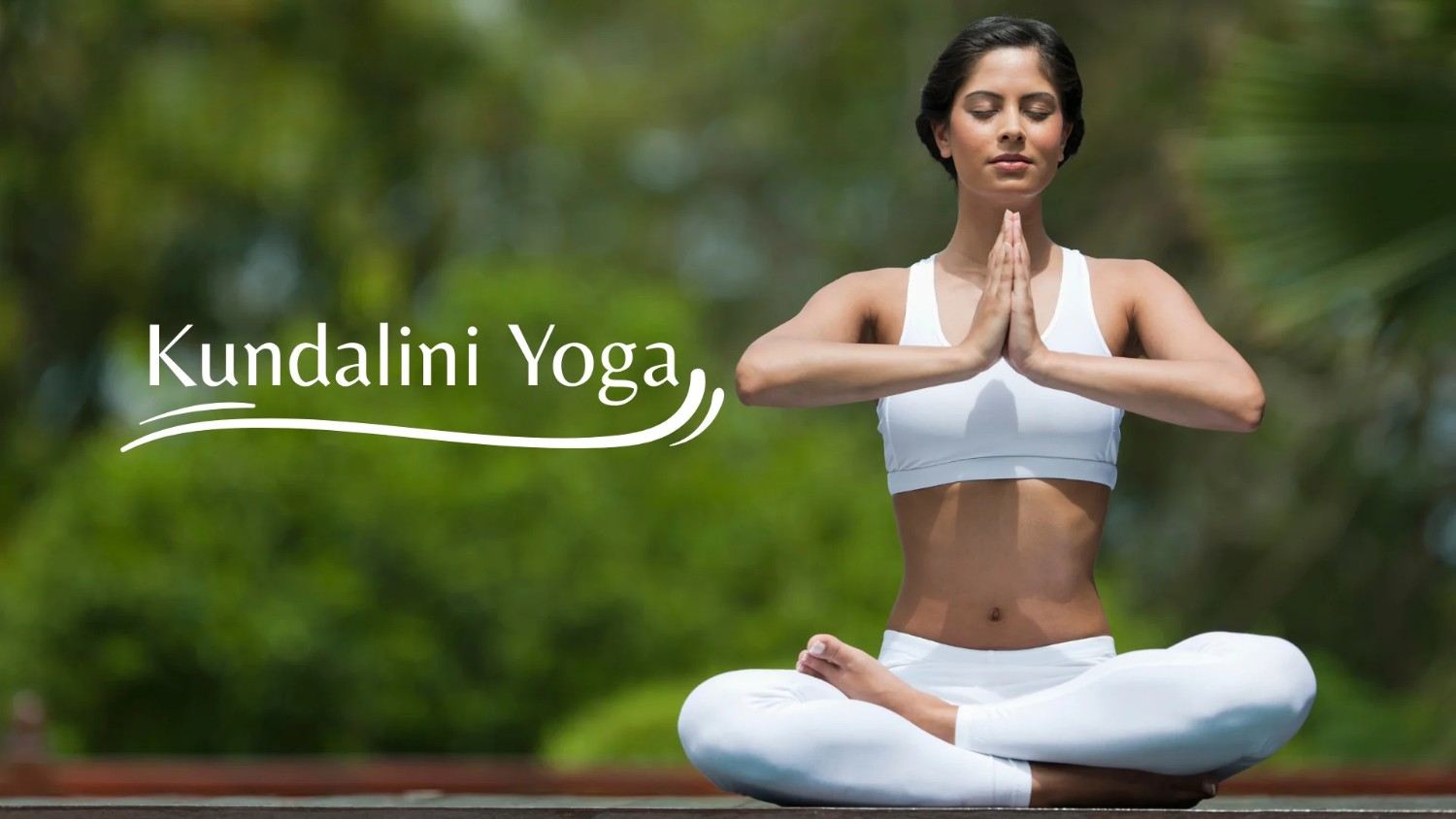
Kundalini Yoga is an approach to yoga practice including physical asanas, breathing exercises, meditations, mantras and other aspects of yogic practice. Philosophically, kundalini refers to a dormant spiritual energy mentioned in some Indian yogic and tantric systems. Kundalini Yoga as a practice is aimed at developing awareness, concentration and understanding of the connection between the body, breath, mind and consciousness.
Unlike yoga practices based primarily on physical flexibility, Kundalini Yoga includes breathwork, meditation, mantras, and inner awareness.
Kundalini Yoga is based on the combination of asanas, pranayamas, meditations, mantras and other yogic techniques to develop awareness and promote inner transformations. Kundalini is the name of latent spiritual energy in yogic tradition. Modern practice of Kundalini Yoga may be quite diverse between lineages, so it is better to learn from a qualified teacher.
What Does Kundalini Mean?
The word Kundalini, from the Sanskrit language, means 'coiled up'. In some forms of yoga and tantricism, Kundalini energy is defined as the latent power residing at the base of the subtle body.
According to the traditional yogic and tantric descriptions, Kundalini energy is linked to the chakras and to the central path called Sushumna Nadi.
It should be noted that the above information refers to the yogic and tantric concepts, not to the scientifically proven descriptions of the energy structure in the human body.
Therefore, the concept of Kundalini Yoga can be perceived more easily without confusing spiritual aspects with medical facts.
What Is Kundalini Yoga?
Kundalini Yoga is a system of yogic practices traditionally concerned with cultivating awareness and working with the relationship between prana, breath, mind and consciousness.
Depending on the lineage, a practice may include:
Asana or physical postures
Pranayama or yogic breathing
Meditation
Mantra and chanting
Mudras
Bandhas
Kriyas
Relaxation and concentration practices
The combination of these techniques distinguishes Kundalini-oriented practices from a yoga session focused primarily on physical postures.
Is Kundalini Yoga the Same in Every Tradition?
Not at all; this is a very important difference.
One may say Kundalini Yoga about several schools of instruction, which can differ in many aspects. While the principles of Kundalini Yoga are part of the philosophies of Tantric and Hatha yogas, modern schools interpret them differently.
Thus, Kundalini Yoga, which became famous around the world in the 20th century thanks to Yogi Bhajan, has its own set of kriyas, meditations, mantras and so on.
So, it is incorrect to assume that the practice of one school coincides with the philosophy of all Kundalini Yogas.
Kundalini Yoga Philosophy
The philosophy behind Kundalini Yoga is connected with broader Indian yoga traditions, particularly ideas concerning consciousness, prana, subtle channels, meditation and spiritual transformation.
Rather than viewing yoga only as physical exercise, these traditions understand practice as a way of working with the whole person.
Kundalini Energy
According to the yoga tradition, prana can be considered as vital energy. The methods of pranayama and meditation have traditionally been applied in order to cultivate awareness of breath and prana.
There are differences between Kundalini and regular prana in different schools of thought; however, both terms are frequently mentioned together.
In accordance with the traditional view, Kundalini stands for latent spiritual potential which needs to be awakened through gradual transformation of consciousness.
It should be noted that these definitions fall into a spiritual and philosophical context and cannot be understood scientifically.
Chakras and Kundalini
Many Kundalini traditions discuss the chakras, commonly described as subtle energy centres.
A traditional framework often refers to seven major chakras:
Muladhara — Root
Svadhisthana — Sacral
Manipura — Solar Plexus
Anahata — Heart
Vishuddha — Throat
Ajna — Third Eye
Sahasrara — Crown
Different traditions may interpret the chakras differently, so these concepts should be understood within their particular philosophical context.
How Is Kundalini Yoga Practiced?
A Kundalini Yoga session can vary depending on the teacher and lineage, but practices commonly combine several techniques rather than relying on one type of exercise.
1. Kriya
A kriya refers to a series of practices that have been structured systematically. According to various beliefs, the kriya can comprise movements, breathing, mantras, concentration and meditation.
The purpose of performing a kriya could vary. It might either serve the purpose of developing concentration, preparing oneself for meditation or elevating one’s consciousness level.
All kriyas cannot necessarily prove to be beneficial for everyone.
2. Pranayama
Breathing practices are an important part of many Kundalini-oriented systems.
Examples can include:
Long, steady breathing
Alternate-nostril breathing
Ujjayi breathing
Other traditional pranayama techniques
Some other Kundalini sessions practiced nowadays incorporate fast breathing methods. However, caution must be exercised with these methods as not everybody will tolerate them.
As far as beginners are concerned, more comfortable breathing should be preferred over intense breathing.
3. Meditation
Meditation may involve:
Breath awareness
Mantra repetition
Concentration
Visualization
Silent observation
Guided meditation
Kundalini yoga meditation techniques can therefore differ significantly depending on the school and teacher.
4. Mantra and Chanting
The use of mantra is yet another significant aspect of Kundalini yoga.
Using a mantra provides the mind with something to concentrate on during meditation.
Sometimes it could be a Sanskrit mantra while in other cases it could vary depending on certain modern versions of Kundalini yoga.
5. Mudras and Bandhas
Mudra refers to a traditional posture of hands or body which is performed using yoga.
Bandha refers to a yogic technique which is traditionally known as an energetic lock. Bandha requires proper guidance especially when coupled with breath retention or pranayama.
Kundalini Yoga Exercises and Poses
Kundalini Yoga can include physical movement, but the goal is not simply to achieve difficult yoga poses.
Depending on the tradition, a practice may use:
Seated postures
Spinal movements
Gentle stretching
Repetitive movements
Forward bends
Twists
Meditation postures
Relaxation positions
For people searching for yoga poses for beginners, it is useful to remember that beginners do not need advanced flexibility to start learning.
The quality of breathing, attention and alignment is generally more important than forcing the body into a particular shape.
Kundalini Yoga Benefits
Kundalini Yoga may bring the same advantages as yoga and other forms of exercise, breath control, and meditation generally do. According to the literature on yoga and meditation, there may be certain benefits for issues such as stress reduction and other health problems.
Nevertheless, there is no scientific evidence for the claimed benefits related specifically to Kundalini energy.
Some of the potential benefits of regular, correctly conducted Kundalini Yoga are:
1. Greater Relaxation
Slow breathing, meditation and relaxation can help create periods of calm and may support stress management.
2. Improved Body Awareness
Combining movement with conscious breathing encourages practitioners to pay closer attention to physical sensations, posture and breathing patterns.
3. Better Concentration
Meditation and mantra practices provide structured ways of directing and sustaining attention.
4. Support for Emotional Wellbeing
Regular mindfulness, meditation and yoga practices may support emotional regulation and overall wellbeing.
5. Increased Mind-Body Awareness
Exercises related to Kundalini enable practitioners to observe the relationship between their movement, breathing, mind and concentration.
It should be stressed that Kundalini Yoga is not a panacea for anxiety, trauma, health problems, etc. It serves as an additional practice and can never substitute for healthcare provided by professionals.
Kundalini Yoga Meditation Techniques
Meditation is one of the most accessible ways for beginners to explore the contemplative side of Kundalini Yoga.
A simple beginner practice can involve:
Sit comfortably with the spine naturally upright.
Close your eyes or soften your gaze.
Notice your natural breathing.
Bring attention to the sensation of inhaling and exhaling.
Introduce a simple mantra if your teacher recommends one.
When your attention wanders, gently return to the breath or mantra.
Finish with a few quiet breaths before opening your eyes.
Start with 5–10 minutes rather than trying to meditate for a long period immediately.
Evening Kundalini Yoga Meditations
An evening practice can be intentionally gentle.
Rather than using demanding breathing exercises late in the day, beginners may choose:
Gentle breath awareness
Quiet mantra repetition
Body awareness
Seated meditation
Relaxation
Short guided meditation
The goal can simply be to transition from a busy day into a quieter state of awareness.
Kundalini Yoga Meditation for Fear
Meditation can be useful as a way to observe difficult emotions without immediately reacting to them. However, it should not be described as a guaranteed treatment for fear or anxiety.
For a simple practice:
Sit → breathe naturally → notice the feeling → observe without judgment → return to the breath or mantra.
If meditation increases distress, panic or uncomfortable physical sensations, stop the practice and seek appropriate professional guidance.
Tantra and Kundalini Yoga
The link between Tantra and Kundalini is significant but tends to be misinterpreted on the Internet.
Tantra is a wide variety of different philosophies and spiritualities that originated in India and involve various practices. There are also Tantric philosophies that include theories of the subtle body such as chakra, nadi, mantra, and Kundalini.
Hence, Tantric Kundalini Yoga cannot be considered one standard practice.
It is essential to understand the history and philosophy behind this concept.
Kundalini Yoga for Beginners: How to Start
If you want to learn Kundalini Yoga, start with the fundamentals instead of attempting advanced energy or breath practices on your own.
A beginner-friendly approach
1. Start with gentle movement
Learn basic postures and comfortable movement patterns.
2. Develop breath awareness
Practice natural, steady breathing before attempting intense pranayama.
3. Add meditation
Begin with a few minutes of simple meditation.
4. Learn mantra correctly
A qualified teacher can explain pronunciation, meaning and appropriate use.
5. Progress gradually
Advanced pranayama, bandhas and intensive practices should be learned progressively.
6. Learn from a qualified teacher
A teacher can adapt practices to your experience and help you understand the philosophical context.
Is Kundalini Yoga Suitable for Beginners?
Of course, one can try practising Kundalini yoga even as a beginner, but only by following all the right techniques and principles.
It is not required to be flexible or a yogi to begin practising it.
One can attend some basic classes in the beginning and learn the basic movements, breathing, meditation, and relaxation techniques and gradually advance to more complicated exercises.
The main thing to remember about the practice is that one should not measure its intensity by the progress made.
Kundalini yoga is a kind of non-competitive sport.
Kundalini Yoga Safety
Some Kundalini practices can involve vigorous movement, strong breathing, breath retention or prolonged concentration. These techniques are not suitable for everyone.
Beginners should:
Avoid forcing the breath.
Stop if they feel dizzy, faint or unwell.
Introduce breath retention only with appropriate instruction.
Avoid treating unusual sensations as proof of spiritual progress.
Tell their teacher about relevant physical limitations.
Seek medical advice when they have concerns about whether a particular practice is appropriate.
A responsible approach to Kundalini Yoga emphasizes gradual learning rather than chasing dramatic experiences.
Traditional Kundalini Yoga vs Modern Kundalini Yoga
One of the biggest problems with online Kundalini course content is treating every approach as identical.
This distinction is particularly useful for anyone researching how to learn Kundalini Yoga or choosing a teacher-training program.
Kundalini Yoga vs Other Forms of Yoga
Kundalini Yoga overlaps with other yoga traditions but often places greater emphasis on meditation, mantra, breathwork and inner awareness.
For example:
Hatha Yoga: Often emphasizes physical postures, breathwork and preparation for meditation.
Vinyasa Yoga: Commonly links movement with breath in flowing sequences.
Raja Yoga: Strongly emphasizes concentration and meditation.
Kundalini-oriented practices: Often integrate movement, breath, mantra and meditation with concepts of subtle energy and consciousness.
These categories can overlap, and individual schools may teach them differently.
How to Choose a Kundalini Yoga Teacher
When choosing a class or teacher, look beyond claims about rapid spiritual awakening.
Consider whether the teacher:
Clearly explains their training and lineage
Provides beginner-level instruction
Explains techniques before asking students to perform them
Encourages gradual progression
Takes physical limitations seriously
Avoids exaggerated health claims
Creates an environment where students can ask questions
Distinguishes traditional philosophy from scientific evidence
A good teacher should help you develop a sustainable practice rather than encourage you to chase extraordinary experiences.
Frequently Asked Questions
What Is Kundalini Yoga in Simple Words?
Kundalini Yoga is a yoga practice that combines techniques such as movement, breathing, meditation and mantra. Traditionally, it is associated with cultivating awareness and working with the concept of Kundalini, a latent spiritual potential described in several Indian yoga traditions.
What Are the Main Benefits of Kundalini Yoga?
Potential benefits include greater relaxation, body awareness, concentration and support for overall wellbeing. Individual experiences vary, and traditional claims about Kundalini awakening should not be confused with scientifically established medical benefits.
Can Beginners Practice Kundalini Yoga?
Yes. Beginners can start with gentle postures, basic breathing, meditation and introductory practices. More advanced techniques should be learned progressively with qualified instruction.
Is Kundalini Yoga Dangerous?
Kundalini Yoga is not inherently dangerous, but some practices can be physically or psychologically intense. Strong breathing, breath retention and advanced techniques should be approached carefully and learned from an appropriately qualified teacher.
What Is Kundalini Energy?
In traditional yoga and tantric philosophy, Kundalini is described as a latent spiritual energy or potential. Different traditions explain its nature and awakening differently. It is a spiritual concept rather than a scientifically established form of physical energy.
Final Thoughts
Kundalini Yoga is not only limited to the physical aspect of yoga. The practice involves movement, breathing techniques, meditation, chanting and philosophy about awareness and consciousness.
An optimal way to undertake this practice, especially for beginners, is a systematic approach, learning the philosophy behind it and being consistent in the practice while getting a competent teacher.
Instead of seeking an experience, one should avoid shortcuts and rather seek an opportunity to cultivate awareness about his or her body, breath, mind and practice.
If one is willing to explore deeper into the field of yoga, there is always an alternative of yoga teacher training.